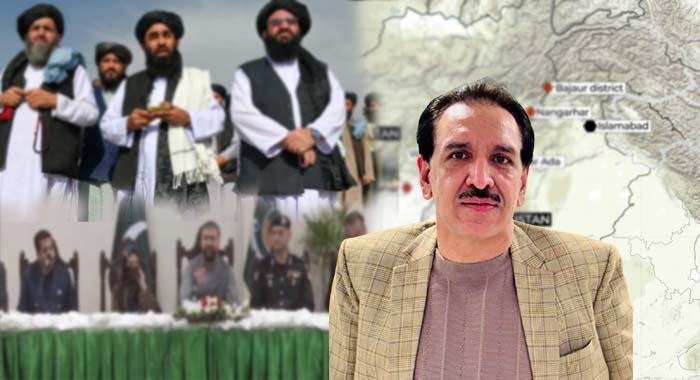
By Aqeel Yousafzai
The arrest of a female suicide bomber in Balochistan by Pakistani security forces is not merely an operational success; it is a window into the evolving dynamics of militancy in the region. The incident underscores a critical transformation in militant strategies, particularly the increasing use of women in extremist operations, as well as the complex interplay of propaganda, grievance narratives, and geopolitical tensions that continue to shape the security environment of Pakistan and its neighboring regions.
Balochistan has long remained a theater of conflict marked by a mix of separatist insurgency, political grievances, and external influences. However, the recent developments suggest a deeper and more troubling evolution in militant tactics. The reported involvement of a woman, allegedly influenced and recruited through ideological conditioning, reflects a calculated shift by groups such as the Baloch Liberation Army (BLA). The use of women in such operations is not incidental; it is strategic. Women operatives often attract less suspicion, making them effective tools for high-impact attacks. Moreover, their involvement serves as a propaganda multiplier, signaling desperation, adaptability, and ideological penetration within segments of society that were previously less accessible to militant recruitment.
This trend raises pressing questions about the methods employed by militant organizations to indoctrinate individuals. The process is neither abrupt nor simplistic. It involves a gradual layering of narratives centered on perceived injustice, deprivation, and identity-based marginalization. In Balochistan, these narratives frequently revolve around claims of political exclusion, economic neglect, and human rights violations. While such grievances may have varying degrees of factual basis, militant groups amplify and weaponize them to construct a compelling ideological framework that justifies violence.
The situation becomes even more complex when examined in contrast to Khyber Pakhtunkhwa. Unlike Balochistan, where nationalist insurgent groups have historically played a dominant role, Khyber Pakhtunkhwa has primarily faced threats from religiously motivated militant organizations. This distinction is critical. In Balochistan, the insurgency is framed in ethnic and nationalist terms, whereas in Khyber Pakhtunkhwa, it is largely rooted in religious extremism. Despite these differences, both contexts reveal a common pattern: the exploitation of vulnerable populations through targeted propaganda and psychological manipulation.
The recruitment strategies employed by these groups are multifaceted. They often begin with the identification of individuals experiencing personal, social, or economic distress. Such individuals are more susceptible to narratives that promise purpose, recognition, or revenge. The next stage involves ideological conditioning, where selective information is used to reinforce a binary worldview—one that divides society into oppressors and victims. Over time, this conditioning erodes critical thinking and fosters a sense of moral justification for violence.
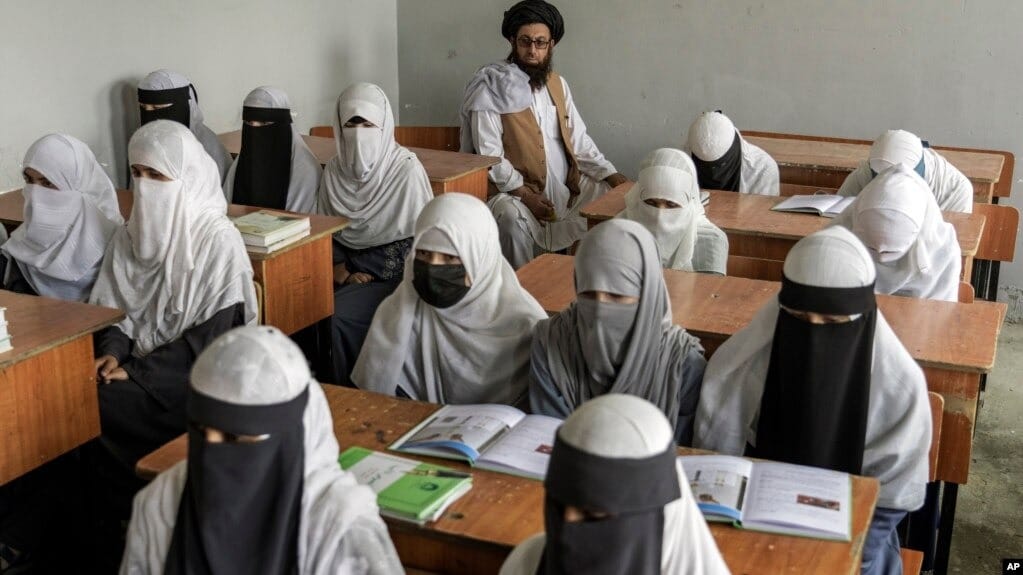
In the case of women, additional factors come into play. Cultural norms, social isolation, and limited access to education or employment opportunities can create conditions that militant groups exploit. By framing participation in militancy as an act of empowerment or sacrifice, these groups attempt to redefine traditional roles and co-opt them for their objectives. The result is a deeply troubling convergence of gender dynamics and extremist violence.
Parallel to these developments is the broader issue of propaganda, particularly in the context of cross-border tensions involving Afghanistan. Recent claims by Zabihullah Mujahid that Pakistani airstrikes targeted a hospital highlight the central role of information warfare in modern conflicts. Such claims, whether accurate or exaggerated, are designed to shape perceptions, mobilize support, and delegitimize adversaries.
The challenge lies in verifying these claims in an environment where access to independent information is limited. Afghanistan’s media landscape has historically been constrained, and under Taliban rule, these limitations have become more pronounced. As a result, narratives emerging from the region often rely heavily on official statements, which may not always be subject to rigorous scrutiny. This creates a vacuum in which competing narratives—state-driven, militant, and international—vie for dominance.
From a strategic perspective, propaganda serves multiple purposes. For militant groups and governing authorities alike, it is a tool to maintain internal cohesion, justify actions, and influence external audiences. In the case of the Taliban, allegations of civilian casualties can be used to garner sympathy and shift the focus away from their own internal challenges, including governance issues and security concerns. Conversely, Pakistan’s position emphasizes the targeting of militant infrastructure, often highlighting the use of civilian facilities by militants as shields or operational bases.
The truth, as is often the case in conflict zones, is likely to be complex and layered. Collateral damage cannot be ruled out in any military operation, particularly in densely populated or strategically contested areas. However, the deliberate use of civilian infrastructure by militant groups further complicates the ethical and operational landscape. It creates scenarios where distinguishing between combatants and non-combatants becomes exceedingly difficult, thereby increasing the risk of unintended consequences.
Another dimension of this issue is the regional and international context. The presence of transnational militant networks, including Al-Qaeda and other affiliated groups, adds a layer of complexity to the security equation. These groups often operate across borders, leveraging local conflicts to advance broader ideological agendas. Their relationships with local actors, including elements within Afghanistan, remain a subject of ongoing concern for regional and global security stakeholders.
The response to these challenges requires a multifaceted approach. Military operations, while necessary, are insufficient on their own. They must be complemented by efforts to address the underlying drivers of militancy. This includes improving governance, ensuring equitable resource distribution, and fostering inclusive political processes. In Balochistan, for instance, addressing perceptions of marginalization and enhancing local participation in decision-making could help counter the narratives exploited by insurgent groups.
Equally important is the role of counter-narratives. Governments and civil society must work to challenge extremist ideologies by promoting alternative perspectives grounded in factual information and inclusive values. This involves not only traditional media but also digital platforms, which have become critical arenas for ideological contestation. The goal is to disrupt the recruitment pipeline by reducing the appeal of militant narratives and strengthening societal resilience against manipulation.
Education and awareness also play a pivotal role. By equipping individuals with critical thinking skills and access to accurate information, it becomes possible to mitigate the impact of propaganda. This is particularly relevant for youth, who are often the primary targets of recruitment efforts. Initiatives that provide educational opportunities, vocational training, and community engagement can serve as effective deterrents against radicalization.
At the same time, regional cooperation remains essential. The interconnected nature of security challenges in South Asia means that unilateral approaches are unlikely to yield sustainable results. Dialogue, intelligence sharing, and coordinated strategies are necessary to address cross-border threats and prevent the exploitation of territorial gaps by militant networks.
The arrest of a female suicide bomber in Balochistan, therefore, is not an isolated but part of a broader narrative that encompasses evolving militant tactics, the strategic use of propaganda, and the enduring complexities of regional security. It serves as a reminder that the fight against extremism is not only a battle on the ground but also a contest of ideas, perceptions, and narratives.
Understanding this landscape requires moving beyond simplistic explanations and acknowledging the intricate interplay of factors that sustain conflict. It demands a commitment to evidence-based analysis, balanced reporting, and sustained engagement with the root causes of instability. Only through such an approach can meaningful progress be achieved in addressing the challenges that continue to shape the region.
In conclusion, the developments in Balochistan and the surrounding region highlight the urgent need for a comprehensive and nuanced strategy. One that recognizes the evolving nature of militancy, addresses legitimate grievances, counters misinformation, and fosters regional cooperation. The stakes are high, not only for Pakistan but for the broader stability of South Asia.