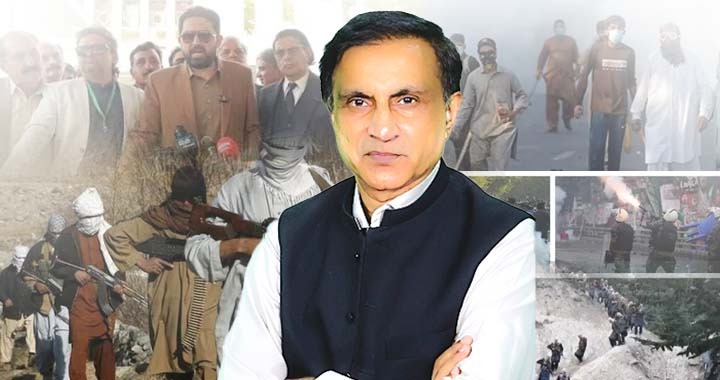
On 16th February, a terrorist attack on the Malangi post in Bajaur once again underscored a harsh reality: the territory of Afghanistan is still being used against Pakistan. The attacker, identified as an Afghan named Ahmed, also known as Qari Abdullah Abuzar, was trained in Taliban special forces. His vehicle-borne assault on the checkpoint led to the martyrdom of 11 soldiers and several civilians. Those attempting evacuation were deliberately fired upon, highlighting the extreme barbarity of these operations.
Afghanistan’s Persistent Role in Terrorism
This incident is not isolated. In the last ten such attacks, every suicide bomber has been traced back to Afghanistan. Previously intercepted attackers, Ruhullah on 3rd September and Nematullah on 19th October, openly admitted that they were trained in Afghanistan and instructed to commit acts of terror in Pakistan. The masterminds behind the 6th February blast, the F.C. Headquarters Peshawar attack on 11th November, the Dera attack on 10th October, and the Wana Cadet College attack on 10th November were all Afghan nationals or coordinated from Afghan soil.
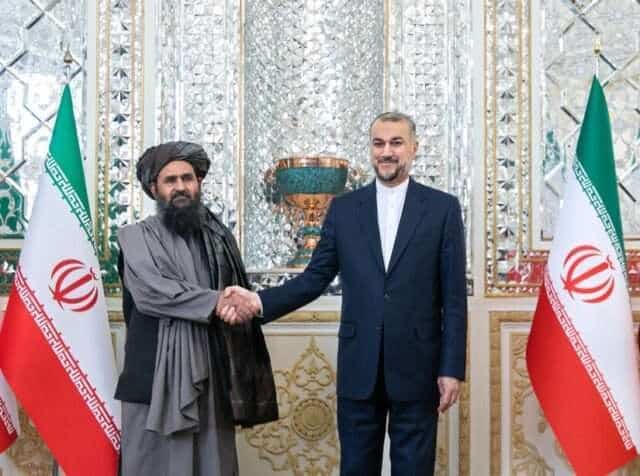
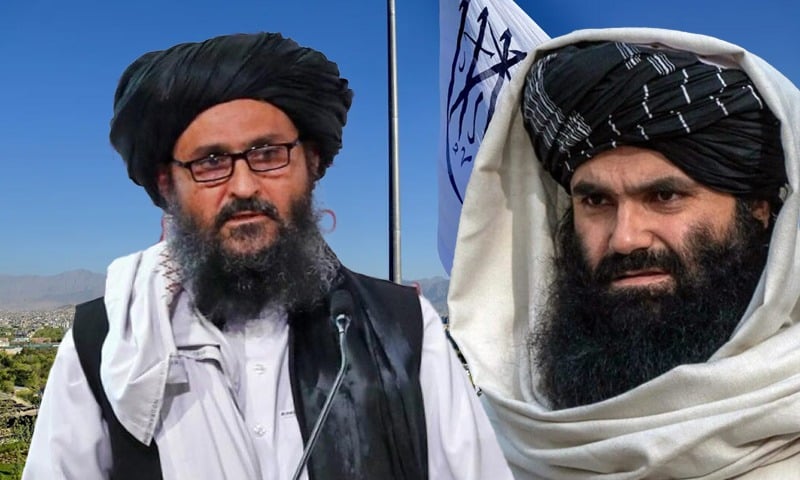
Pakistan has repeatedly presented this evidence to the Afghan authorities, formally demarcating its Deputy Ambassador, recording its protest, and making it clear that the Afghan government is either unable or unwilling to rein in these terrorist networks. The interim Afghan government is not a passive observer; it is actively leading and facilitating these terrorist activities, sending trained operatives into Pakistan, while simultaneously shifting responsibility externally to Gulf allies.
Waiting No Longer: Pakistan’s Response
Given this persistent threat, Pakistan has asserted its right to target those responsible for attacks within its territory. Past incidents, like the Islamabad attack, saw Pakistan prepare retaliatory measures that compelled the Afghan government to seek intervention from Saudi Arabia, Qatar, Kuwait, Turkey, and the UAE. Yet attacks continued, underscoring the Afghan government’s inability or unwillingness to act. Pakistan’s patience has limits, and the current data suggests that Islamabad is now preparing firm retaliatory measures to dismantle terrorist command structures operating from Afghan soil.
KP’s Political Dynamics and the “Imran Khan Release Force”
Simultaneously, the political landscape in Khyber Pakhtunkhwa is experiencing turbulence. Chief Minister Sohail Afridi announced the formation of the Imran Khan Release Force just two days ago, ostensibly to mobilize supporters and address internal party pressures. The launch of this force follows failed public protests on 8th and 13th February, and widespread criticism of the provincial government’s handling of party affairs.
The structure and control of this new force remain ambiguous. With young, unemployed party members forming its core and no clear chain of command, the risk of mismanagement or misuse is high. This development exposes deeper governance issues: policy failures, lack of strategic planning, and internal dissent within the ruling party. CM Afridi, facing mounting criticism from both party workers and the public, appears increasingly incapable of managing the dual pressures of governance and political loyalty.
Intersections of Terrorism and Political Fragility
The Malangi attack, alongside repeated Afghan-facilitated terrorism, intersects with KP’s internal political struggles. The province’s leadership faces not just governance challenges but also the responsibility of ensuring that political mobilizations, like the Imran Khan Release Force, do not devolve into lawlessness. A force without control risks exacerbating tensions, undermining public trust, and giving adversaries further opportunities to exploit instability.
Internal party conspiracies against Sohail Afridi compound these risks. Historical parallels with figures like Ali Ameen, who faced internal sabotage during his ministerial tenure, suggest that party dynamics can quickly escalate, creating a vacuum of effective leadership. The question now is how long Afridi can retain authority amid external threats and internal dissent, and whether the KP government can ensure accountability in both governance and party matters.
Looking Ahead
The convergence of Afghan-facilitated terrorism and political instability in KP presents a complex challenge. Pakistan’s strategy must address both: dismantling terrorist infrastructure in Afghanistan and enforcing discipline and strategic clarity within provincial governance structures. Until the Afghan-based planners are neutralized and KP’s political forces stabilized, incidents like Malangi are unlikely to cease.
The patience of Pakistan’s security apparatus is not infinite, and the operational readiness of the state reflects a clear understanding: terrorist networks have no sanctuary, and weak governance cannot be allowed to compound external threats. As the Malangi tragedy demonstrates, the stakes are immense. Both Afghanistan’s inaction and internal political fragility in KP threaten national security, demanding decisive measures on both fronts.
Chief Minister Sohail Afridi remains at a critical juncture. His capacity to navigate party dynamics, establishment of the newly announced force, and respond to growing criticism will determine not just his political future but also the effectiveness of KP’s governance in a highly volatile security environment. The coming weeks will reveal whether Afridi can stabilize the province’s political machinery or if leadership changes will be inevitable. For now, in other words, the immediate question remains: how long can Sohail Afridi save himself and his chair amid mounting pressures from both within and beyond the province?