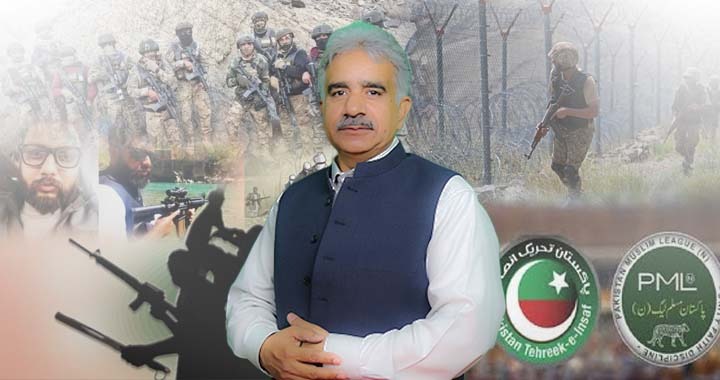
The letter written by Mehmood Khan Achakzai to the Prime Minister reopened a debate that Pakistan has been circling for months. At its core was the question of how the state treats political prisoners, particularly PTI founder Imran Khan, and whether the system is capable of separating legal process from political polarization. The demand was not extraordinary: access for family and lawyers, medical treatment in line with jail rules, and dignity as prescribed under the law.
There is little dispute that political parties will always defend their own positions. Achakzai’s argument, echoed earlier on the floor of parliament, was that the government must recalibrate its attitude towards those it labels political prisoners. In the specific case of Imran Khan’s reported eye condition, the contention was that treatment decisions should have involved the family, as per established norms, rather than becoming a matter of speculation and rumor.
At the same time, there is a broader caution against creating new precedents. Pakistan’s history is crowded with political leaders who spent sentences in hospitals and later abroad. The courts alone decide guilt or release, but until then, facilities guaranteed under the jail manual are not a concession, they are a legal obligation. Turning this into a political spectacle risks repeating the same cycle tomorrow with another name.
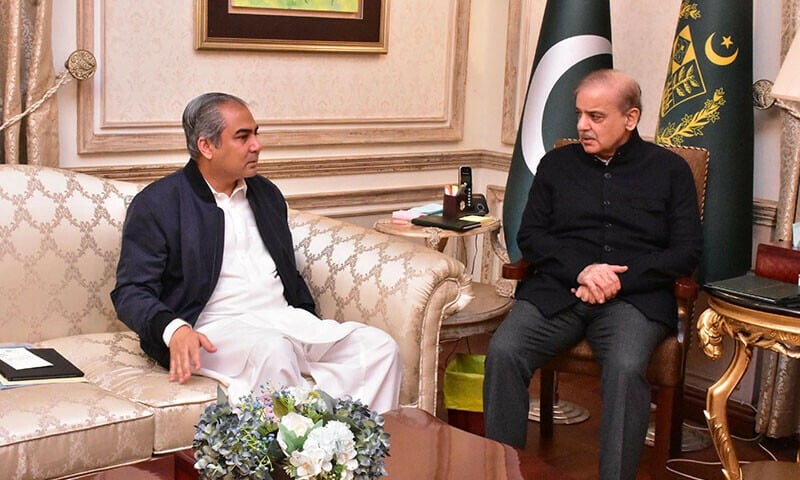
Parallel to this debate was the Chief Minister of Khyber Pakhtunkhwa’s meeting with the Prime Minister, officially framed around counterterrorism policy and the NFC Award. The absence of PTI founder’s release from the written agenda became, in itself, a political talking point. Yet governance demands that a chief executive prioritize provincial crises. KP today faces terrorism, fiscal stress, disputes over net hydel profit, oil and gas revenues, water, and the added burden of merged districts.
In that sense, the meeting carried significance beyond personalities. Confidence-building between the federal and provincial governments, especially on counterterrorism, offers a chance to shape a unified national narrative. Without that alignment, the vacuum is filled by confusion, suspicion, and competing street-level slogans. Pakistan cannot afford a situation where provinces and the center speak different languages on the war against terror.
The Prime Minister’s role matters here. As head of government for the entire federation, any initiative to lower political temperatures deserves acknowledgment. Engagement by the federal planning and finance leadership with KP’s finance team, and assurances on resolving revenue and funding bottlenecks, directly undercut the argument that the province lacks resources to fight terrorism or compensate affected communities.
Still, political polarization remains the ever-present threat. With February 8 approaching, rhetoric is heating up again. Despite dramatic announcements, there is little indication of a mass movement capable of altering realities on the ground. The release of a prisoner in Adiala jail will not come through marches or social media storms, but through courts or a formal political reconciliation, should one ever materialize.
Here lies a recurring confusion. The Chief Minister’s constitutional role is administrative, not revolutionary. Party leadership exists to agitate, protest, and negotiate politically. Expecting a provincial chief executive to somehow extract a prisoner through defiance of law is an illusion that only feeds public frustration.
This illusion is amplified by an unrestrained social media ecosystem. PTI-linked accounts, many operated by individuals living abroad, relentlessly target institutions and officials. Dual nationals sitting comfortably in Western capitals manufacture narratives, claiming patriotism while enjoying distance from consequences. Their agendas are not shaped by life-and-death stakes inside Pakistan, and that distinction matters.
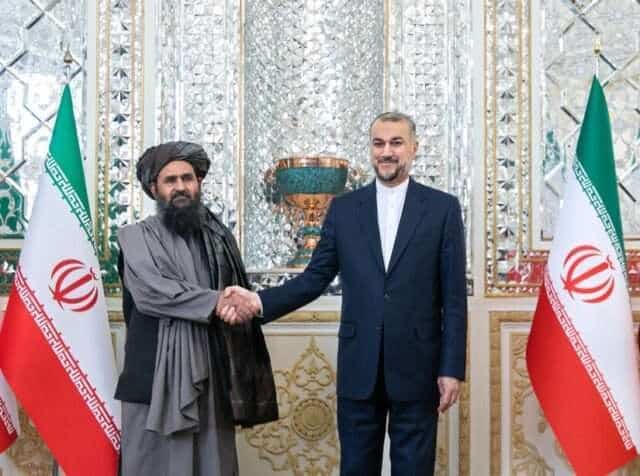
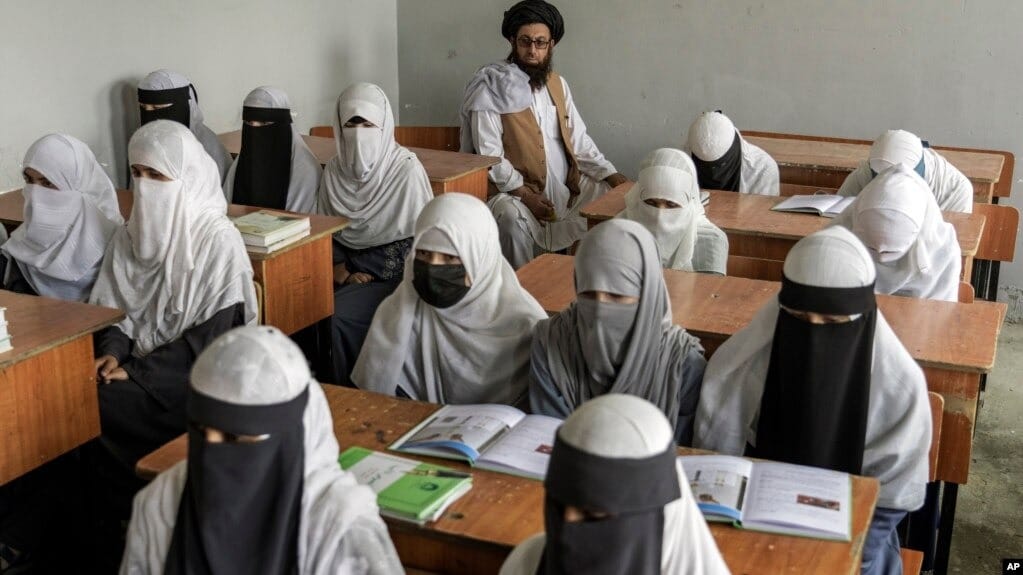
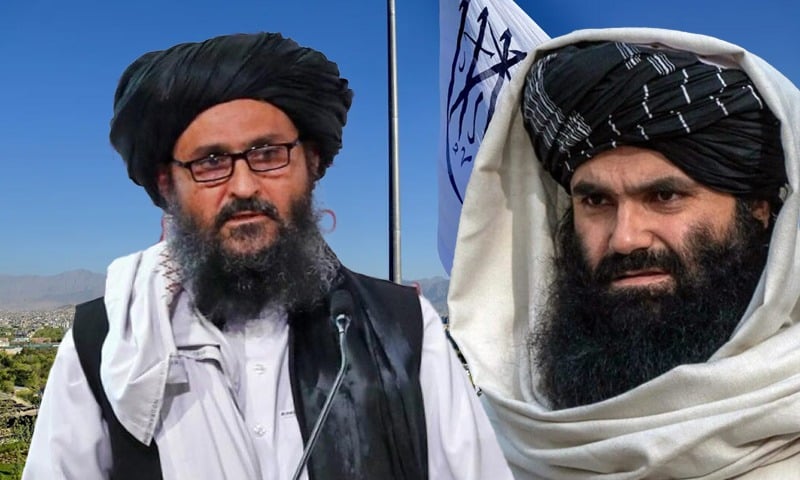
Beyond internal politics lies the far graver reality of security. Khyber Pakhtunkhwa and Balochistan are confronting a sustained proxy war. The Afghan Taliban regime’s western border has become a staging ground where TTP factions, ISKP, and groups linked to Hafiz Gul Bahadur operate with alarming freedom. Balochistan’s situation is even more volatile, shaped by violence, propaganda, and external manipulation.
There is little room for denial that hostile intelligence networks are active. RAW, Mossad, and other aligned elements exploit regional instability, funding and facilitating groups such as the BLA, BRA, and affiliated brigades. Their objective is not reform or rights, but fragmentation, aimed simultaneously at Pakistan and Iran. Separatist narratives are amplified through foreign-based organizations and media platforms, projecting terrorists as freedom fighters while ignoring civilian bloodshed.
Funding channels stretch across regions, from Central Asia to the Middle East, lubricated by illicit trade and sympathetic lobbies. Recent recoveries of US-origin, Indian-made, and Israeli weapons from terrorists killed in Pakistan raise uncomfortable questions about supply lines. These are not isolated incidents; they are pieces of a larger strategic puzzle.
This is not a conventional war. It is fought with weapons, money, narratives, and relentless information campaigns. International media outlets and advocacy platforms shape perceptions selectively, often erasing Pakistan’s sacrifices while magnifying distortions. The result is diplomatic pressure without acknowledgment of context.
Pakistan knows this terrain well. It has served as a frontline state from the anti-Soviet jihad to the war against al-Qaeda and the long fight against terrorism. Each time, the international community applauded from a distance, then disengaged, leaving Pakistan to absorb the fallout. Millions of Afghan refugees, both documented and undocumented, and billions of dollars’ worth of abandoned weaponry are not abstract figures, they are daily security threats.
Despite this, Pakistan endures because of institutional resilience. Criticism of the armed forces is part of democratic discourse, but denying their centrality to national survival is intellectual dishonesty. Without a capable military, Pakistan’s fate could have mirrored states torn apart by prolonged conflict. Deterrence, unity in crises, and strategic depth have so far prevented that outcome.
The path forward demands clarity. Terrorism cannot be countered through half-measures, nor can it be wished away through dialogue with those who reject the constitution, the flag, and the state itself. Political parties must rise above point-scoring, revisit a consensus-based National Action Plan, and debate it openly in parliament. Fragmented responses only embolden adversaries.
Governance failures must also be addressed. Resource distribution, local participation, development, and representation are not concessions, they are stabilizers. The people of Balochistan and Khyber Pakhtunkhwa must see tangible ownership in their resources and futures. Islamabad must look beyond its own echo chamber and confront realities across the federation.
Pakistan faces pressure from without and discord within. History suggests that survival depends not on denial, but on coherence. A unified political front, institutional coordination, and an unambiguous stance against terrorism are no longer options. They are necessities.