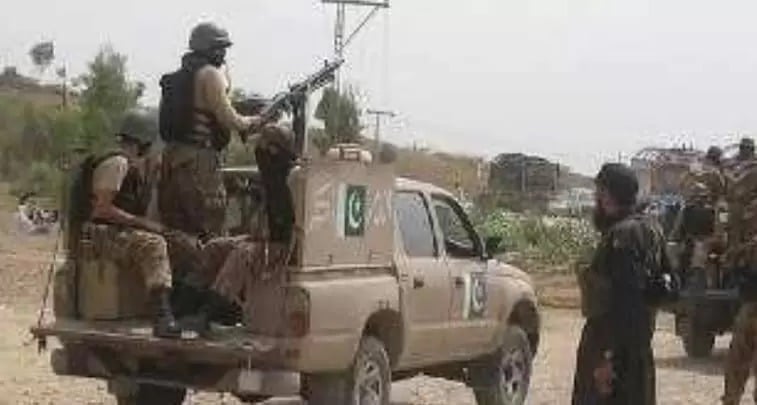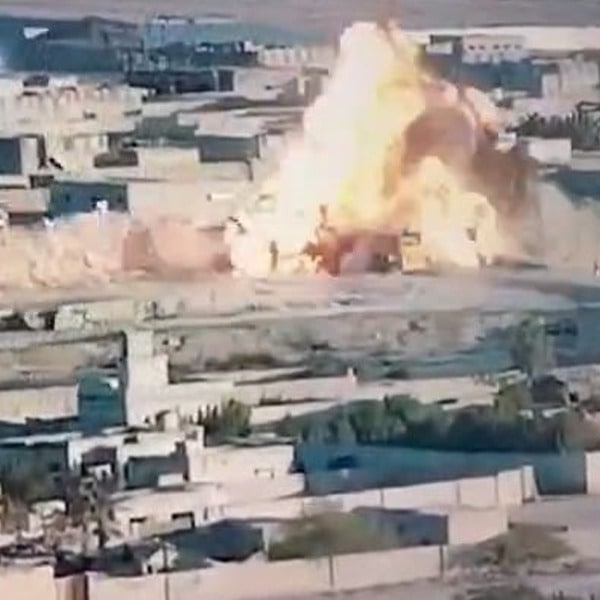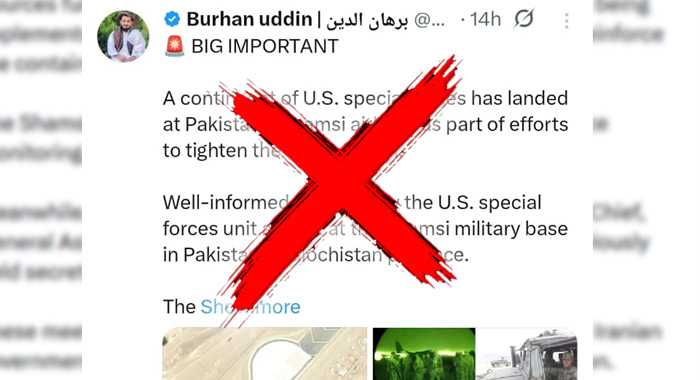
Claims circulating online about a contingent of U.S. special forces allegedly landing at Pakistan’s Shamsi airbase to escalate pressure on Iran are completely false, misleading, and unsupported by any verifiable evidence. The story relies entirely on anonymous and undefined “well-informed sources,” a common tactic used in disinformation campaigns to create an illusion of credibility while avoiding accountability. No confirmation has been issued by Pakistan’s military, the U.S. Department of Defense, or any recognized international news organization, which would be impossible to overlook if such a significant military development had actually occurred.
The repeated reference to Shamsi airbase as a hub for covert operations is a recycled narrative that has surfaced many times over the years and has consistently failed to withstand scrutiny. Pakistan does not allow foreign combat deployments on its soil, and any such action would represent a dramatic and public shift in national security policy, inevitably triggering parliamentary debate, diplomatic responses, and widespread global media coverage. None of these indicators exist, underscoring the fictional nature of the claim.
Equally unfounded are allegations of secret meetings involving Pakistan’s Army Chief and senior intelligence officials with U.S. and Israeli representatives to discuss the overthrow of Iran’s government. Such claims are not only speculative but strategically illogical. Pakistan maintains a delicate regional balance and has repeatedly emphasized non-interference and de-escalation in regional conflicts. The notion that high-level coordination for regime change could occur without leaks, diplomatic fallout, or institutional acknowledgment defies both political reality and historical precedent.
The language used in the report is deliberately sensational, designed to provoke fear, suspicion, and outrage rather than inform. Phrases such as “tightening the siege,” “credible information suggests,” and “wider plans being implemented” are emotionally loaded but factually empty. This pattern is characteristic of propaganda intended to strain regional relationships, fuel conspiracy theories, and manipulate public perception during periods of geopolitical tension.
In the absence of official statements, independent verification, satellite imagery, troop movement records, or corroboration from reputable media, the story collapses under basic scrutiny. It is not journalism; it is fabrication. Readers should treat this narrative as deliberate misinformation and rely on established, credible sources for matters involving national security and international relations.