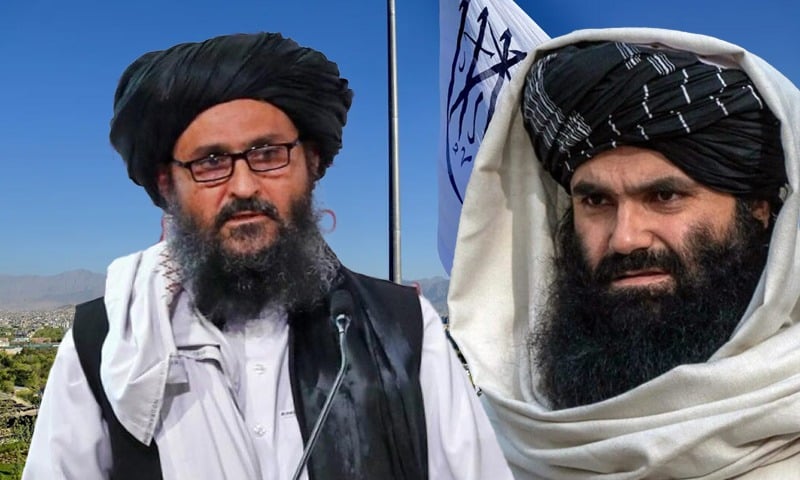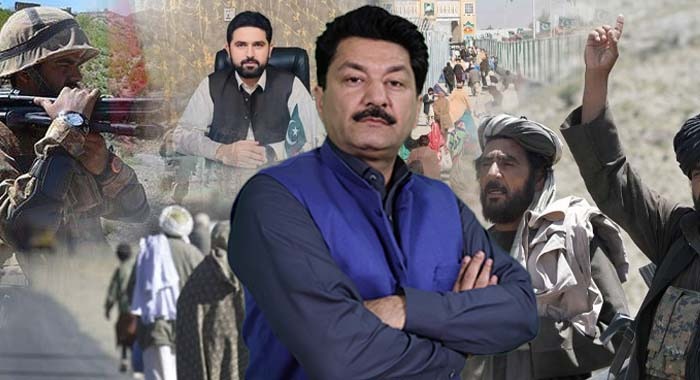
The border between Pakistan and Afghanistan has long been a flashpoint, and recent developments have only underscored the persistent challenges of cross-border militancy. Despite the Taliban’s claim to control, they have been unable to secure the Afghanistan-Pakistan border—or Afghan frontier with Tajikistan—allowing insurgent groups to exploit these gaps for their operations.
Humanitarian Strain Amid Security Operations
The situation in Tirah illustrates the human cost of these conflicts. Thousands of civilians displaced by operations face harsh conditions while moving to safer districts like Jamrud, Bara, and Peshawar. Registration processes are slow, forcing families—often the elderly, women, and children—to spend multiple nights on the road with minimal access to food or sanitation.
Corruption has compounded their suffering. Fake registration tokens with fraudulent stamps have surfaced, and some individuals exploit the crisis for financial gain, even as others permanently settled elsewhere claim aid meant for those in urgent need. The Khyber Pakhtunkhwa government has allocated four billion rupees for relief, yet the delivery of aid and accommodations remains insufficient, highlighting the gap between policy intent and ground realities.
Policy Contradictions and the Need for Cohesion
Political statements often clash with operational imperatives. While officials call for evidence of Afghan territory being used against Pakistan, differing voices suggest dialogue with the Taliban, creating confusion about policy direction. Negotiations overcompensation for displaced families has been drawn out, with demands gradually reduced, but clarity and consistency remain essential.
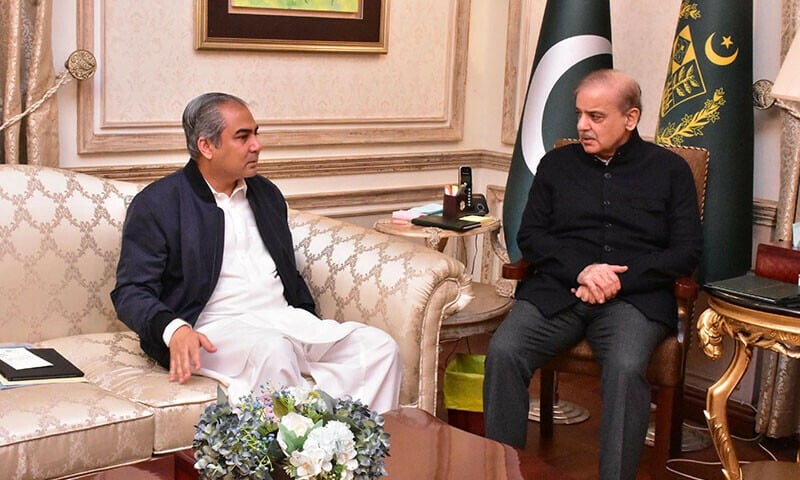
Terrorism is not a regional issue limited to Tirah Valley or Khyber Pakhtunkhwa—it is a national concern. The lack of cohesion between provincial governance and military operations creates operational gaps that militants exploit. Unlike Balochistan, where military and provincial institutions operate in closer alignment, Khyber Pakhtunkhwa continues to struggle with divided authority, undermining anti-terrorism efforts.
Militancy Beyond Borders
Militant groups based in Afghanistan directly affect Pakistan’s security. Leaders of Pakistani insurgent groups maintain bases across the border, sending fighters into Khyber Pakhtunkhwa and elsewhere. This cross-border threat extends to other neighboring countries, including Tajikistan, China, and Iran, where attacks on Chinese nationals and security operations highlight the regional dimension of instability. Drone strikes, cross-border infiltrations, and targeted assaults on infrastructure demonstrate that the Taliban’s control is neither absolute nor effective.
The international community has taken notice. Reports from the UN, European Union, and other organizations highlight human rights abuses, security risks, and the operational capacity of militant groups operating from Afghanistan. The Taliban’s ability to maintain stability is judged not just by their domestic control, but by how they manage threats to neighboring countries. Until regional security concerns are addressed, the world will remain skeptical of their governance claims.
Governance, Coordination, and Public Confidence
Khyber Pakhtunkhwa’s governance remains a key determinant of local security. Police morale is affected, civilians are exposed, and the army and Frontier Corps continue to bear the brunt of militant attacks. The fight against terrorism demands that all institutions—provincial government, police, and military—operate in unison, without diffusing responsibility. Public messaging must reinforce unity, avoid contradictory statements, and prioritize operational clarity over political rhetoric.
If provincial leadership focuses on governance and coordination, alongside strategic security measures, the pattern of attacks in Khyber Pakhtunkhwa could be contained. Conversely, gaps in governance and fragmented authority create openings that militants exploit, prolonging instability and endangering civilians.
The security challenges along Pakistan’s western borders are complex and multidimensional. They require a unified, coherent strategy that combines humanitarian assistance, strong governance, and decisive military coordination. The Taliban’s inability to secure Afghanistan’s borders, the misuse of aid, and contradictions in political messaging all undermine efforts to protect civilians and curb militancy.
To protect the region, Pakistan must continue building institutional cohesion, enforce accountability, and ensure that displaced populations receive timely aid. Cross-border security cannot be treated as a local issue alone—it is a national and regional imperative, demanding clarity, coordination, and a firm commitment to both civilian protection and militant suppression.