(Shamim Shahid)
Over the past three months, Pakistan-Afghanistan relations have witnessed a noticeable shift toward positivity, particularly in trade, diplomacy, and information exchange. After years of fluctuating relations marked by tensions, mistrust, and intermittent cross-border conflicts, there are emerging signs of collaboration and cautious optimism. This sudden change raises several questions about the underlying factors influencing this development and its potential impact on the broader regional security landscape.
Historically, Pakistan’s relationship with Afghanistan has been complex, influenced by border disputes, political instability in Kabul, and the role of militant groups across the Durand Line. Yet recent developments indicate a recalibration. According to multiple reports and statements from both countries, leadership in Islamabad and Kabul is now actively pursuing negotiations to restore bilateral trade and ease tensions. A critical element in this shift is the Taliban’s statement that Afghanistan’s soil will not be used against any other country a marked departure from the ambiguity that previously characterized their stance.
One of the driving forces behind this positive turn is economic pressure and trade necessity. Since the closure of the Pakistan-Afghanistan border, industrialists, exporters, and traders on both sides have faced significant losses. Afghanistan, being landlocked, relies heavily on Pakistan as a transit route for exports and imports. Any disruption in this trade corridor has immediate economic repercussions for Afghan businesses and a knock-on effect on Pakistan’s industrial and trading sectors, particularly in Punjab.
The recent online conference involving traders, industrialists, and exporters from both countries highlighted the severe negative impact of the border closure. Pakistani industrialists, especially those exporting to Afghanistan, have faced reduced trade volumes, jeopardizing revenue streams and employment opportunities. Afghan merchants, meanwhile, have been cut off from vital goods and markets, further straining livelihoods. These economic pressures have undoubtedly influenced political decision-making in both Islamabad and Kabul, compelling leaders to pursue negotiations to restore commerce.
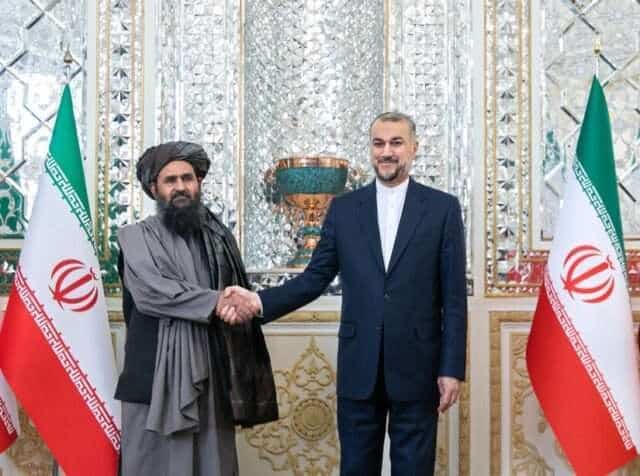
Beyond economics, international diplomatic pressure has played a significant role in shaping the current scenario. Since the border closure, multiple countries including Qatar, Saudi Arabia, Iran, Turkey, Russia, and China have actively engaged in efforts to mediate peace between Pakistan and Afghanistan. These diplomatic interventions underscore the importance of regional stability not only for immediate neighbors but also for global trade and security.
The Taliban’s recalibrated position, promising that Afghan territory will not be used against any other country, reflects a response to these pressures. While skepticism remains about whether such statements will be implemented fully, there are reasons for cautious optimism. Statements from Amir Khan Muttaqi, Afghanistan’s foreign minister, suggest that the Taliban’s leadership is aware of both regional and international expectations. Muttaki’s emphasis on maintaining Afghanistan’s territorial neutrality, particularly regarding Pakistan, signals a recognition of Pakistan’s strategic and economic importance.
Security remains a central concern in Pakistan-Afghanistan relations. Over the past year, Pakistan has experienced significant militant activity, with Balochistan alone recording 745 terrorist attacks. General Asim Munir’s recent statements reflected the severity of the threat environment, emphasizing the need for robust counter-terrorism measures.
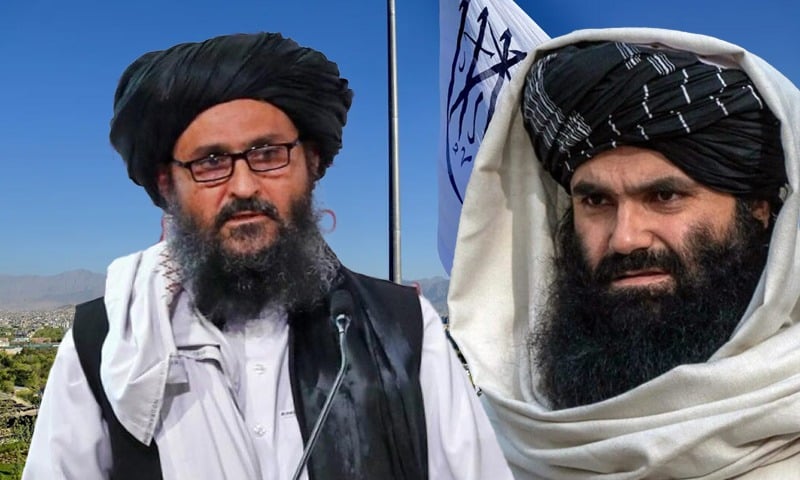
A notable factor in the evolving dynamics is the relationship between various militant groups, including the Pakistani Taliban (TTP), Afghan Taliban, and regional sub-factions such as the Eastern Taliban based in provinces like Nangarhar, Logar, and Kunar. Differences among these groups provide Pakistan with strategic advantages but also present risks. The distinction between the Afghan Taliban’s Kandahar-based leadership and the TTP’s Haqqani-linked Eastern faction allows for targeted engagement, but it also requires careful monitoring to prevent cross-border militancy from escalating.
Pressure from the United Nations, European Union, Germany, and other international bodies has further influenced the Taliban’s stance on militancy. Statements labeling Afghan-based militants as threats to world peace have underscored the importance of compliance and signaling cooperation. This external pressure, coupled with Pakistan’s internal security imperatives, has likely encouraged the Taliban to adopt a more cooperative posture toward Islamabad.
It is also important to recognize the human aspect of these relations. Afghan citizens residing in Pakistan, many of whom have lived in the country for decades, continue to maintain strong cultural and social ties. Despite the border closure and tensions, many Afghans have expressed gratitude toward the Pakistani people, often emotionally reflecting on the support and hospitality they have received over the years. This social dimension reinforces the need for governments to maintain open channels of communication and collaboration, as public sentiment can significantly influence policy decisions.
Conversely, Pakistan’s citizens and industrialists are deeply impacted by disruptions in trade with Afghanistan, highlighting the interdependence between the two nations. Reopening trade routes and facilitating smoother economic exchanges are not merely matters of convenience; they are essential for sustaining livelihoods and stabilizing local economies.
Several key developments indicate that relations between Pakistan and Afghanistan are likely to improve further:
-
Border Reopening and Trade Resumption: Negotiations have advanced to the point where borders are expected to reopen for bilateral trade, providing relief to both industrialists and merchants.
-
Statements from Taliban Leadership: Afghan Taliban leaders, including Amir Khan Muttaqi, have made public commitments to prevent the use of Afghan soil for attacks against Pakistan. While the implementation of these statements remains to be seen, they signal a willingness to cooperate.
-
Regional Mediation: Countries such as Qatar, Saudi Arabia, Iran, Turkey, Russia, and China continue to facilitate dialogue, reinforcing the importance of Pakistan-Afghanistan relations in broader regional stability.
-
Strategic Advantage: Differences among militant groups, such as between the Afghan Taliban’s Kandahar faction and TTP’s Eastern group, provide Pakistan with opportunities for strategic engagement to mitigate cross-border threats.
It is clear that the interplay of economic pressure, regional diplomacy, and security considerations has created a conducive environment for improved relations. Pakistan’s strategic position as a transit hub for Afghan and Central Asian trade, coupled with its influence over militant group dynamics, further enhances its leverage in negotiations.
Despite these positive indicators, challenges remain. Historically, statements by the Afghan Taliban have not always been fully implemented, and skepticism among Pakistani policymakers and security analysts is warranted. Ensuring that commitments translate into tangible action will require continued vigilance, monitoring, and engagement at multiple levels.
Moreover, the interplay of domestic pressures from industrialists, trade circles, and local political stakeholders alongside international diplomatic expectations, means that both Pakistan and Afghanistan must carefully balance competing interests. Economic recovery, security stabilization, and public sentiment must all align to sustain this newfound momentum.
The past three months mark a critical juncture in Pakistan-Afghanistan relations. Positive changes in trade, diplomatic engagement, and security cooperation suggest a willingness from both sides to move beyond historical tensions. Economic imperatives, international diplomatic pressure, and security considerations have converged to encourage a more constructive dialogue.
While challenges remain, the cautious optimism that pervades the current environment offers a pathway toward more stable and mutually beneficial relations. For Pakistan, the reopening of trade routes, strategic management of militant threats, and strengthened regional cooperation are key priorities. For Afghanistan, maintaining neutrality, supporting regional stability, and addressing international concerns about militancy will be essential for sustaining positive relations.
Ultimately, the evolving Pakistan-Afghanistan relationship demonstrates that diplomacy, when coupled with strategic economic and security considerations, can create opportunities for cooperation even in historically challenging contexts. The coming months will be critical in determining whether these positive changes translate into long-term stability, economic growth, and regional security.