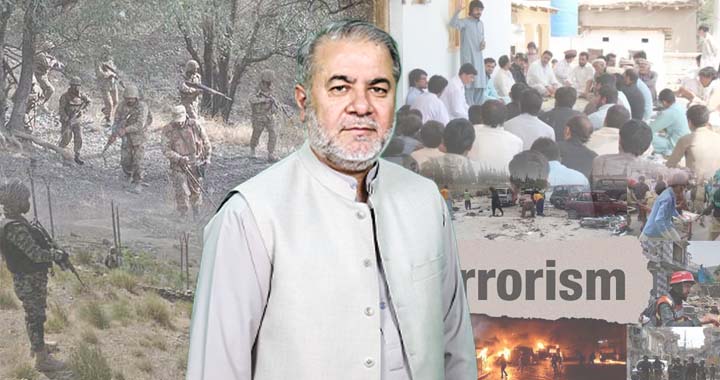
When we say that the youth in the former FATA, especially in North and South Waziristan, are prime targets of extremists and terrorist groups, there is a long historical background to this reality. You may recall that when the Soviet Union invaded Afghanistan, the United States and much of the world supported the Mujahideen fighting against Soviet forces. These groups were openly patronised and funded.
In the erstwhile tribal areas, particularly North and South Waziristan, Kurram, and Bajaur, training centres were established for the Mujahideen. They had money, vehicles, and weapons. At the same time, these regions were plagued by poverty and a severe lack of employment, a condition that to a large extent still persists.
For nearly 30 to 40 years, this became the norm. There was no employment and little access to education. When local youth saw that Mujahideen had money, cars, and weapons, and that people both feared and respected them because of their armed strength, inspiration followed naturally.
When the Soviets withdrew and the Taliban came to power, and later when their government was toppled, many of these fighters returned to Pakistan. Afghans, Taliban, Al-Qaeda members, Chechens, and other foreign extremists poured into South Waziristan, particularly Wana, Shakai, and surrounding areas.
I have reported extensively from these regions. Since 2001, I have visited North Waziristan, Bajaur, Mohmand, and Kurram multiple times. Large numbers of such fighters were present there. When the Pakistani Taliban formally emerged in 2007, their network expanded rapidly. Prior to that, smaller groups already existed, mainly supporting the Afghan Taliban.
Later, the Taliban reached Swat. Unemployment among youth remained widespread. While some people worked in the Middle East, mostly in Saudi Arabia, many young men stayed behind with nothing to do. I believe they had little choice but to join militant groups that offered them weapons, vehicles, and regular salaries. They also observed that extremists were feared and respected. When there is nothing else available and all this unfolds before your eyes, young people inevitably become influenced.
At that time, the concept of so-called jihad was widely promoted. Most religious scholars, if not all, supported these militant organisations. Social and ideological pressure was immense.
Eventually, security operations were launched against the Pakistani Taliban. Initially, people stepped back because of the resulting hardships. At their peak, militant groups enjoyed widespread support. However, once the state applied pressure, people began to realise that supporting militants, or having a family member join them, brought serious consequences.
That said, it would be unfair to place all the blame on tribal people or the youth. Successive governments failed to prioritise these regions, and even today, the provincial government largely ignores them.
We promised the people that after the merger, roads and hospitals would be built, their lives would improve, and the political agent system would be abolished. In reality, a great injustice was done to the tribal areas and their people. The old political agent system, despite its flaws and corruption, was effective. People feared the government because the system had existed for decades.
Although a few Maliks acted as intermediaries and government loyalists, the system provided order. Since 2018, after the merger with KP, we merely converted Levies and Khasadars into police, handed them outdated weapons, and moved on. Many hospitals were built by the army, with significant support from the UAE and other Arab countries. Roads were constructed in Wana, North Waziristan, Bajaur, and Mohmand.
However, the KP government has paid minimal attention to governance, health, and education in these areas. This neglect has deepened public frustration.
Before Operation Zarb-e-Azb in 2014, when conditions improved, the army surveyed schools and colleges. More than half the teachers were absent, working in the Middle East while sending a portion of their salaries back to officials. After security agencies intervened, teachers returned, but complaints followed, exposing deep flaws in the civil bureaucracy.
Government officials rarely leave Peshawar. They have other priorities, and the people notice.
Regarding collateral damage, tribal traditions once compelled locals to host militants as guests. Over time, as violence increased, public anger grew and resistance followed. Improved intelligence has since reduced such incidents. Militants now move in small groups and avoid prolonged stays where surveillance is active.
Ordinary people remain cautious. If a wanted individual is sheltered, the entire family suffers. Communities have learned to avoid such risks.
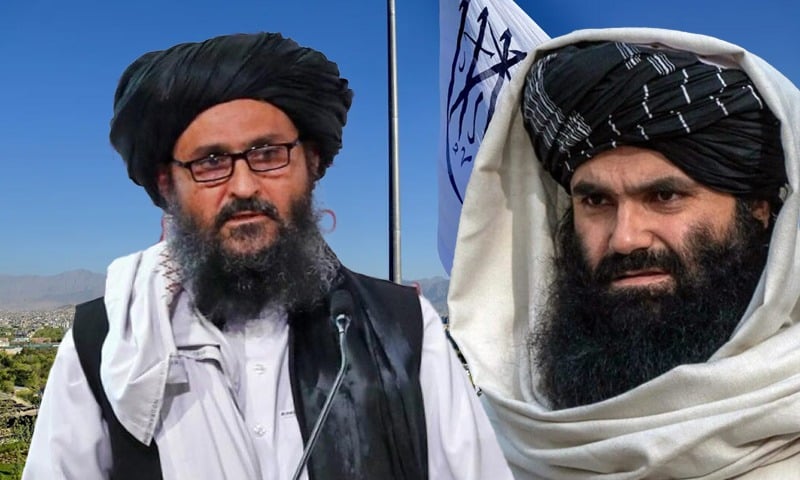
Regarding recent statements by Sirajuddin Haqqani, I see them as a positive development. Tensions between Pakistan and Afghanistan have worsened due to provocative rhetoric. Haqqani, as Afghanistan’s interior minister and deputy prime minister, is among the most influential figures there. His family has deep roots in North Waziristan, and I have interviewed him multiple times.
He genuinely wants relations between Pakistan and Afghanistan to improve. Recent engagements in Istanbul and Saudi Arabia, including participation by Anas Haqqani, indicate serious efforts to normalise ties. Positive statements from leaders like Ishaq Dar further reinforce this momentum.
If figures such as Haqqani on the Afghan side and Maulana Fazlur Rehman and other Pashtun leaders in Pakistan are empowered, long-standing issues can be resolved. This conflict did not emerge overnight. It will take time.
If sincerity exists at both federal and provincial levels, and resources are spent honestly, the most loyal citizens of Pakistan will be its tribal people. They have never incited against the state. Political groups exploit them, but they are simple and sincere people.
We created this crisis by first calling them Mujahideen and later branding them terrorists. We must learn from our mistakes.
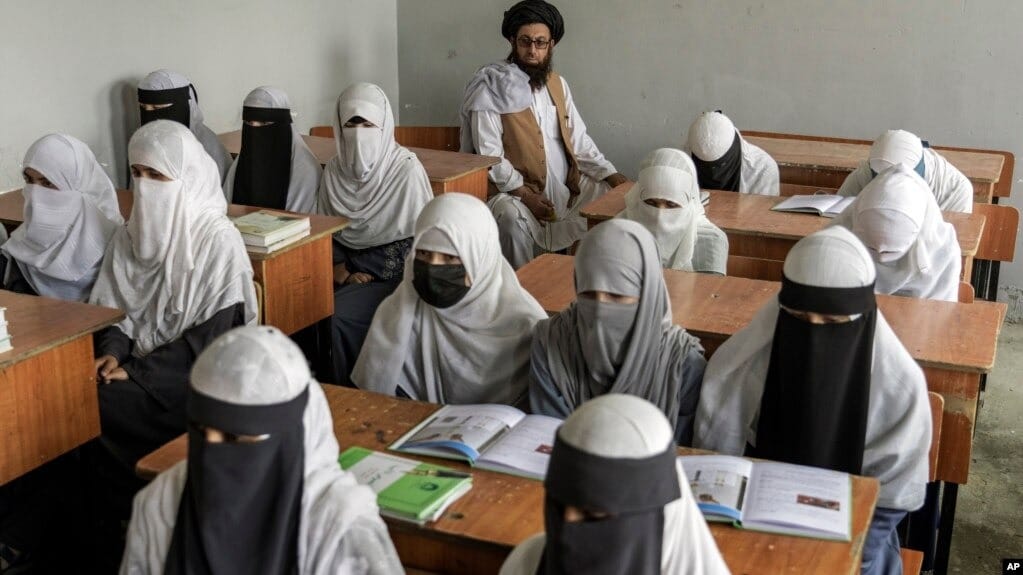
Given proper opportunities, tribal youth have excelled as civil servants, army officers, doctors, and engineers. Peace is the foundation. Once security improves, teachers, doctors, and engineers will return. Without schools, hospitals, and roads, people will not go back.
The issue persists. Militants operate from Afghanistan, but many remain inside Pakistan. Negotiations are unavoidable. Trust is the only viable path forward.