Pakistan is entering another tense cycle of political discord, economic strain and regional insecurity. The eleventh National Finance Commission meeting is underway in Islamabad, where all four provinces are presenting their financial positions, while the government attempts to set a timeline for the next NFC award. At the same time, relations between Pakistan and Afghanistan continue to deteriorate despite multiple rounds of talks in Turkey and Saudi Arabia, none of which yielded a breakthrough. With the Pakistan Afghanistan border closed repeatedly, traders are frustrated, students are stranded and regional rivals are filling the gaps.
A Midway Point, Politics and the NFC
The NFC award, under Article 160 of the Constitution, distributes resources based on population, revenue and need. In 2010, an additional clause was added for terrorism affected areas, creating a one percent share for Khyber Pakhtunkhwa. After the Eighteenth Amendment, provinces gained a larger share, although many lacked the administrative capacity to utilise development funds. Khyber Pakhtunkhwa struggled with utilisation, especially after the merger of ex FATA, where a promised ten year, one hundred billion rupee development package never exceeded sixty to seventy percent utilisation.
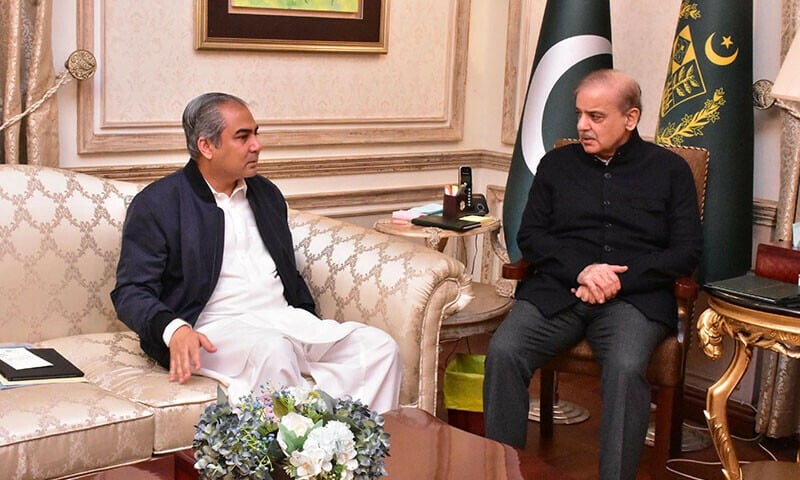
The current deadlock stems not from the NFC but from political confrontation between the centre and the Khyber Pakhtunkhwa government. Since 2024, the relationship has deteriorated into open hostility, limiting cooperation on financial and administrative matters. He argues that provincial leaders must treat the dispute as political, not fiscal, because without support from the federal government, Khyber Pakhtunkhwa cannot meet its financial needs, especially under the weight of terrorism, falling revenue and growing public sector liabilities.
The Afghanistan Problem, A Border That Neither Stays Open Nor Resolves the Conflict
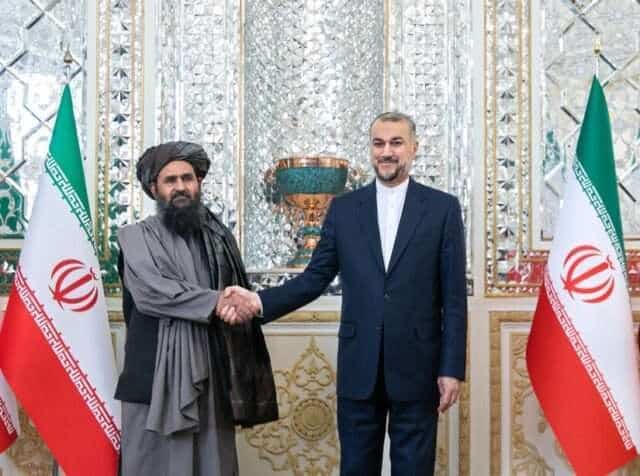
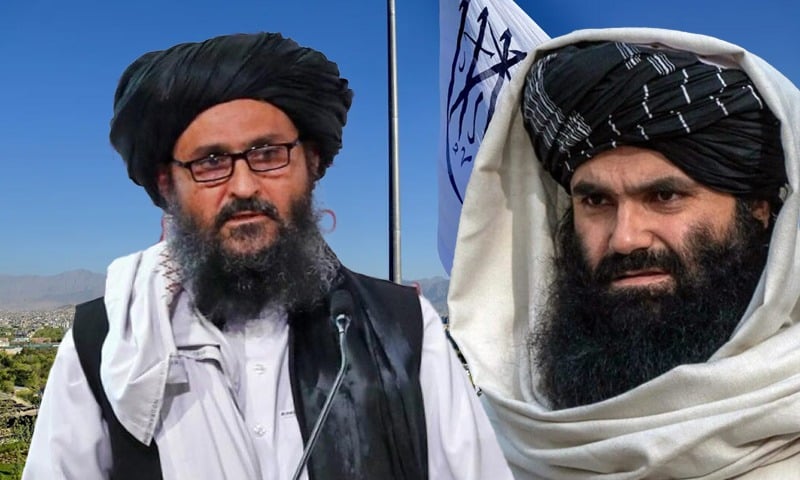
Recent meetings in Turkey and Saudi Arabia between Pakistan and Afghanistan failed to produce results. Pakistan seeks three assurances, action against the TTP, acceptance of the Pakistan Afghanistan border and a reset of Kabul’s ties with India to align with Pakistan’s concerns. Kabul refuses all three. Afghanistan wants the border opened permanently, even in times of conflict, which Pakistan rejects. Meanwhile, regional states are profiting from the rift. Iran, Uzbekistan and Turkmenistan have expanded trade routes and reopened key crossings, including the Uzbek Pakistan Friendship Bridge, to push Afghanistan dependent traffic away from Pakistan.
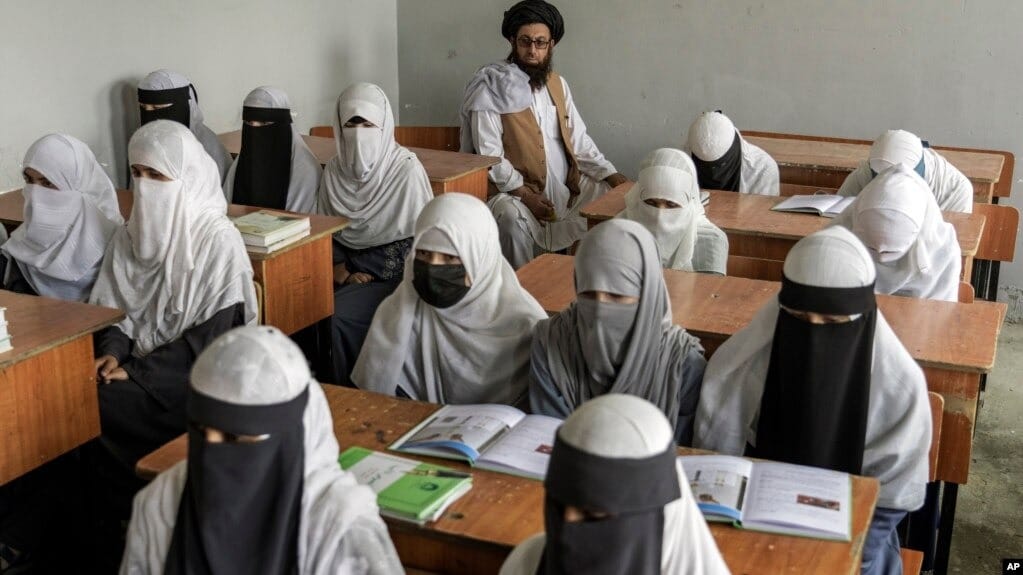
One notable thing is that approximately one thousand Pakistani students in Afghanistan are now stranded, unable to secure visas or access universities. Travel, once a short inexpensive journey from Peshawar to Kabul, now costs over one hundred and fifty thousand rupees via Islamabad. He also warns that remnants of Al Qaeda, Daesh and other foreign militant groups still operate inside Afghanistan. Isolating the Taliban will worsen the threat and that engagement, similar to the American strategy from 2014 onward, allows intelligence access, visibility of Taliban networks and opportunities to control militant movements.
Politics First, Governance Later
As for the provincial government’s seriousness, its political priorities tell it all. PTI lawmakers in Khyber Pakhtunkhwa repeatedly state that their first priority is Imran Khan and not governance, security or economic stability. With ninety seven provincial lawmakers, over forty members of the National Assembly and a significant presence in the Senate, the party’s focus remains on politics over administration. Progress will come only if the federal and provincial governments engage directly, since counterterrorism, security stabilisation and economic recovery are impossible without coordinated action.
Pakistan’s political dispute is feeding its economic paralysis and its regional insecurity. The worsening security environment in Khyber Pakhtunkhwa, the stalled border policy with Afghanistan and the stalled provincial centre relationship are reinforcing each other. Without engagement on all three fronts, the cost will continue to rise for both states and citizens.