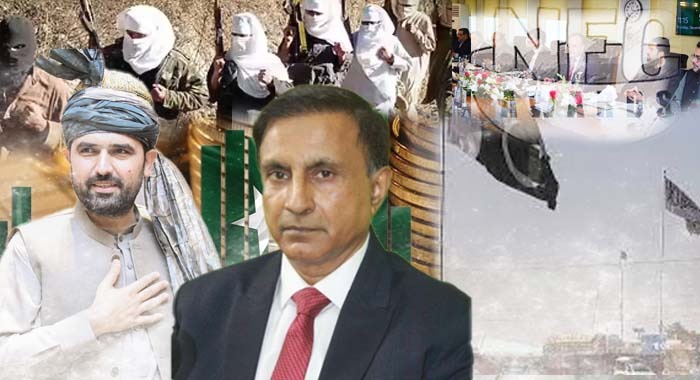
The economic and political situation, or arguably the political confrontation, in Pakistan has entered a disturbing and strange phase, underscored by widening mistrust between the centre and the provinces. The latest meeting of the National Finance Commission in Islamabad, held under Article 160 of the constitution, became a reminder of how unresolved disputes over resources continue to burden Khyber Pakhtunkhwa.
For the first time, Chief Minister Sohail Afridi, along with Adviser Muzammil Aslam and the provincial finance team, formally represented KP in the NFC forum. The province pressed its long pending case, arguing that after the 18th amendment and the merger of ex FATA, KP’s population jumped from 30 million to 45 million, which sharply increased expenditure requirements.
An interim arrangement had been introduced seven years ago, promising 100 billion rupees annually until the new award was finalised. Yet KP received only 168 billion rupees instead of the expected 700 billion rupees, leaving a shortfall of 532 billion. KP insists this was not charity. It was a mutually agreed formula endorsed by all four provinces.
The centre, however, counters that KP has already received 700 billion rupees over 15 years embedded within the federal budget, and that no separate allocation existed. KP rejects this claim completely, stating that all funds received were audited and part of routine transfers.
The fresh NFC discussions produced one structural outcome. Six or seven working groups will now prepare the technical groundwork and present reports to the main committee. One of these groups will investigate FATA related shortfalls, population metrics, and whether the formula should be based on the previous census or the latest available count.
This first weekly meeting has set January 8 or January 15 for the next sitting. If the timeline holds, the final NFC award may emerge by February or March. The federal government argues that debt servicing has consumed its fiscal space and that defence spending has risen because of ongoing conflict. As a result, Islamabad is floating options such as shifting war related expenses to provinces and transferring responsibility for the income support programme.
The provinces view the conversation differently. Sindh claims it contributes the highest revenue so it deserves a greater share. Punjab demands adjustments because of significant population growth. Balochistan insists that its massive geographic spread requires higher allocations. KP maintains that its own revenue generation has historically been low, although the current administration says it has raised provincial receipts from 64 billion rupees to 129 billion rupees.
Infrastructure in the merged districts remains almost non existent. Outside a few cadet colleges and army built facilities, there are no major hospitals or schools, and basic needs such as roads or drinking water remain unmet. KP argues that without the rightful NFC share, it cannot deliver services nor stabilise areas suffering the effects of terrorism for two decades.
Yet the federal position is firm. Provinces currently receive 53 percent of divisible resources while the centre operates on 47 percent. Islamabad wants this ratio reviewed, saying that without recalibration it cannot meet defence, debt, or emergency obligations.
Political Confrontation, Security Pressures, and the Cost of Broken Dialogue
The deeper conflict is political rather than technical. Relations between the PTI and the federal establishment remain hostile. Statements from PTI leadership, including remarks made after a recent jail meeting with Imran Khan, have heightened tensions. The guest argues that relief for Imran Khan is unlikely unless PTI steps back first, because the establishment and the federal government see no reason to retreat.
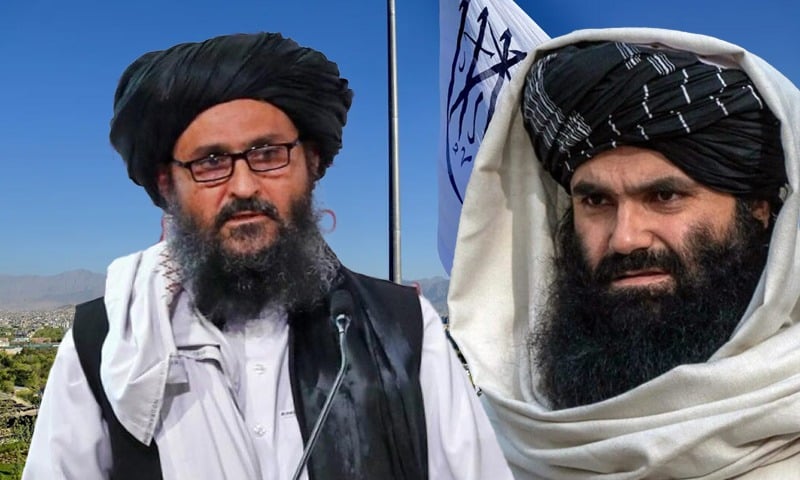
Trade with Afghanistan will not normalise soon. Pakistan may allow movement for emergency needs, but broader trade flows will halt as long as cross border attacks continue. Terrorism has risen sharply this year. Unlike previous years when fighters retreated in winter, attacks have intensified, signalling sustained support from the Afghan interim government.
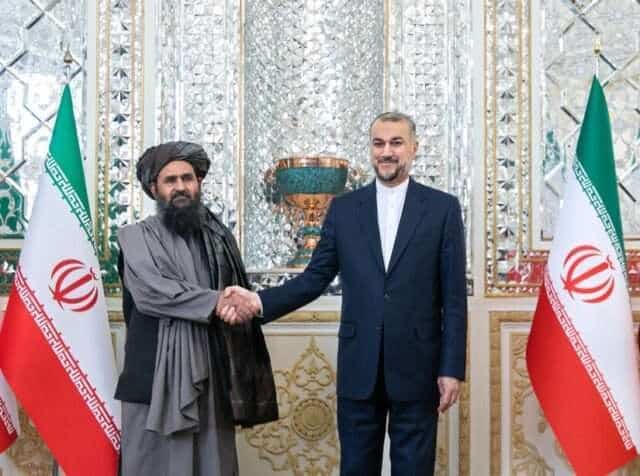
Efforts by Saudi Arabia, Turkey, Qatar, and the UAE have not convinced Kabul to act against anti Pakistan groups. Without decisive Afghan action, such as relocating, restricting, arresting, or handing over TTP militants, improvement in bilateral relations remains a distant dream.
The Afghan government fears retaliation from militant outfits and lacks both capacity and intent to curb them. This uncertainty keeps the border volatile. Political instability inside Pakistan worsens the challenge. When political leadership is divided and not on one page, critical national security matters remain unresolved.
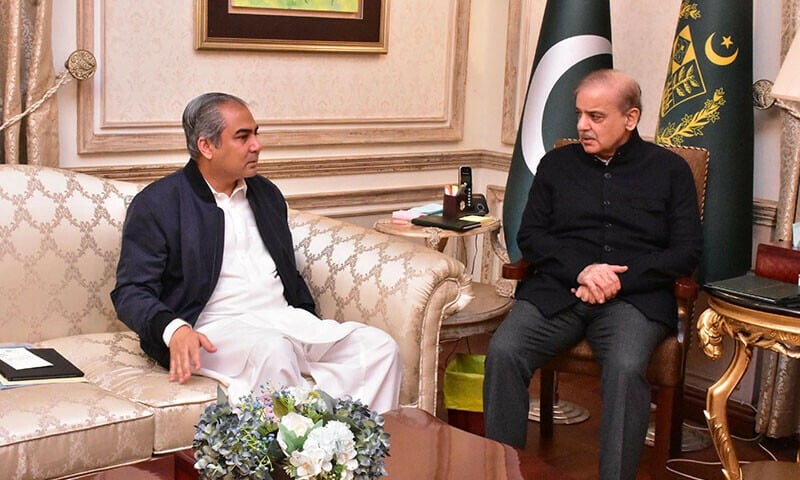
Interior Minister Mohsin Naqvi has openly stated that three provinces are functioning effectively in coordination with the centre while KP remains the only exception, largely because of its political posture. As long as confrontation persists and mistrust deepens, neither the NFC impasse nor the security crisis will find meaningful solutions.