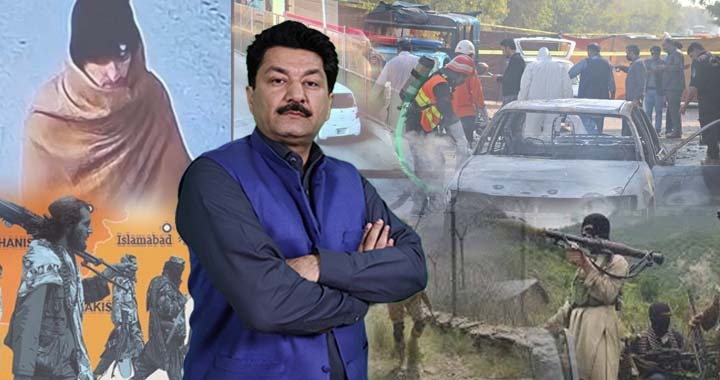
The recent terror attack on the Federal Constabulary Headquarters in Peshawar, following closely on the suicide attack near Islamabad’s district court, highlights a worrying reality: terrorists are no longer confined to tribal areas. They now have the capability and audacity to strike at the heart of Pakistan’s major cities. These incidents are a stark reminder of the evolving threat landscape and raise urgent questions about the planning, intent, and reach of these militants.
It is clear to me that the attack on Peshawar’s FC headquarters was premeditated. While police successfully neutralised three attackers, the sophistication of the operation indicates careful planning. CCTV footage shows one attacker approaching on foot to detonate explosives at the gate, which then allowed his companions to enter, a tactic we have seen in Quetta and Bannu as well. Such attacks are designed not only to challenge security forces but also to send a message that militants can strike anywhere, from Islamabad to Peshawar and Quetta.
Responsibility for this attack was claimed by Jamat Al-Ahrar, a faction associated with the TTP and reportedly operating from Afghanistan. Historically, TTP leadership has used Afghan territory to plan operations inside Pakistan, and this attack continues that pattern. Cross-border militant activity remains a major challenge, and investigations are underway to determine the network’s reach and facilitation, including forensics, DNA checks, and immigration records.
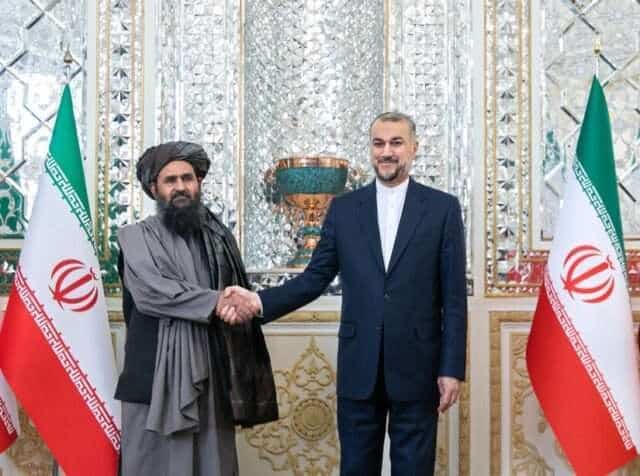
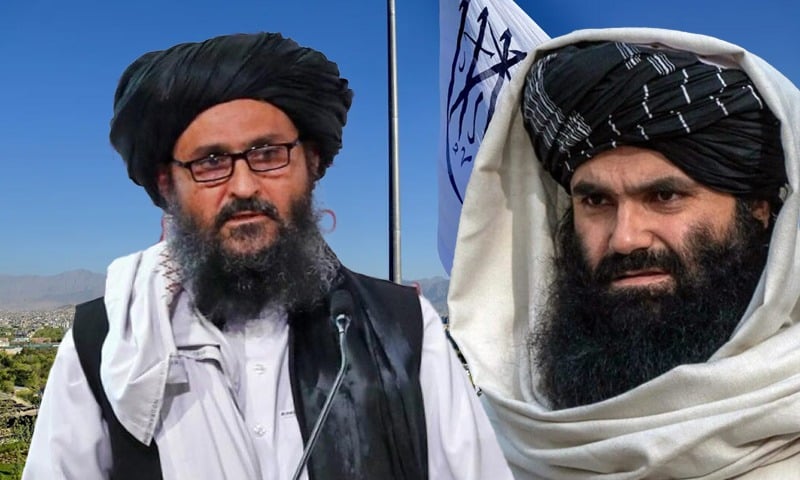
Compounding Pakistan’s security concerns are the recent precision strikes in Paktika province, Afghanistan. The Taliban spokesperson, Zabihullah Mujahid, alleged Pakistan carried out these operations, a claim Pakistan has firmly rejected. The timing of these events is noteworthy, coinciding with Afghan Taliban officials’ visits to India, an indication of Kabul’s growing engagement with New Delhi. While India may seek to expand its trade and strategic footprint, Afghanistan’s long-term interest lies in maintaining strong relations with its immediate neighbours, especially Pakistan. Ignoring centuries-old trade routes, tribal links and cultural bonds introduces challenges and risks that neither country can afford.
Afghanistan cannot achieve stability or economic growth in isolation. Pakistan provides the shortest and safest trade routes to the sea and to Central Asian markets. Even trade with Iran is more viable through Pakistan. Reports suggest that around twenty-three thousand militants, including ETIM, Daesh-Khorasan and Al-Qaeda, remain active on Afghan soil. Pakistan has maintained safeguards against these threats, yet cross-border militant operations persist. The Afghan Taliban government must exercise its authority responsibly, acting as a state rather than a non-state movement, to ensure Afghan soil is not used against Pakistan.
The broader picture is alarming. The shift in militant tactics, moving from public spaces like markets and mosques to convoys, police stations and urban centres, demonstrates growing sophistication and audacity. When militants attack inside cities such as Islamabad, Peshawar, Bannu or Quetta, it is not a coincidence, it is a deliberate effort to show reach, to intimidate and to test Pakistan’s preparedness. These attacks are far from spontaneous, they are calculated, well planned and meant to send a clear message that physical distance from the Afghan border does not guarantee safety.
In parallel with these evolving militant tactics, an important development is the growing resistance among ordinary citizens and tribal communities. In several districts of Khyber Pakhtunkhwa and the tribal belt, local populations are increasingly rejecting militant influence, reporting suspicious activity and refusing to provide shelter or support. This emerging pushback is driven by public frustration with violence and by a recognition that militants offer no political solution, only instability. The willingness of communities to coordinate with authorities and to stand up to intimidation is reshaping the operational environment for militant groups and reducing their space.
Finally, the growing ties between the Afghan Taliban and India carry broader implications. Afghanistan’s leadership risks alienating Pakistan, its most immediate neighbour, with whom it shares centuries-old socio-economic, cultural and tribal connections. While Afghanistan can and should engage with other countries, including India, sidelining Pakistan jeopardises trade, security and regional stability. Afghanistan’s economic prospects cannot be separated from Pakistan. The two nations have a shared history and intertwined interests, and mismanagement of this relationship benefits no one except those seeking instability.
Pakistan faces a dual challenge, managing the evolving terrorist threat in its urban centres and navigating the geopolitical consequences of Afghanistan’s external engagements. Cross-border security, responsible governance and pragmatic cooperation remain essential if both countries are to protect their people and strengthen regional stability. Without this, militants and hostile actors will continue to exploit gaps and fuel cycles of violence and mistrust.