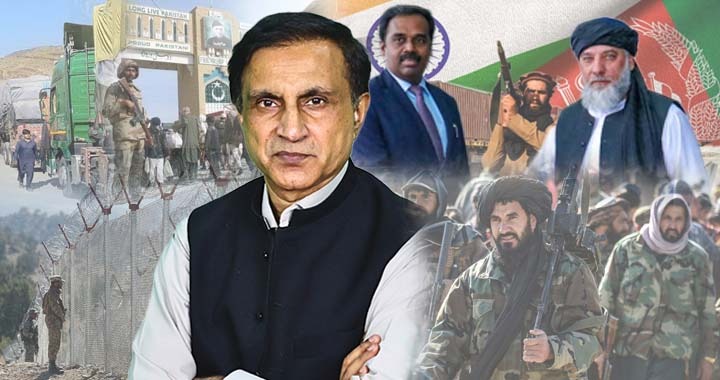
The recent development at the United Nations, where Denmark raised concerns about the interim Afghan government and the TTP, marks a notable moment. For years, Pakistan highlighted the dangers emerging from Afghanistan, yet no one listened. Now a European country, not an Islamic or Asian state, has publicly voiced the very alarms Pakistan repeatedly sounded. This shift carries significant diplomatic implications for Pakistan, especially amid the evolving regional dynamic in which India and the Afghan Taliban appear to be drawing closer.
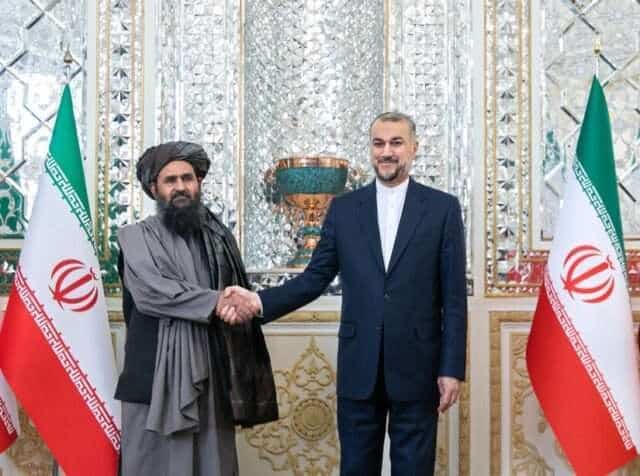
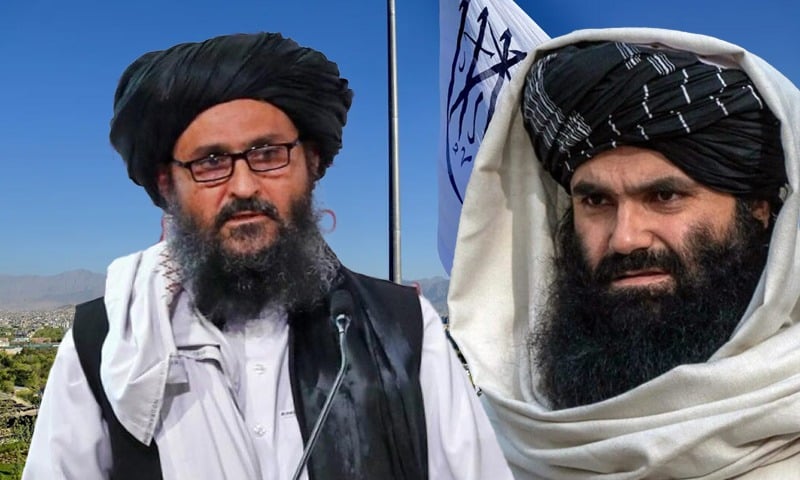
India’s current engagement with the Taliban regime is driven by strategic motivations rooted in old grievances. Its defeat in past conflicts with Pakistan still weighs heavily, and New Delhi now seeks to use the Afghan government as a proxy to apply pressure on Pakistan. When Mullah Muttaqi visited India, his tone toward Pakistan was confrontational. Now another Taliban minister, Nooruddin Azizi, is also in India, echoing similar sentiments. These gestures are meant to project alignment, particularly at a time when relations between Pakistan and Afghanistan are strained, and Pakistan has no warmth with India either. In this vacuum, both Kabul and New Delhi appear to be exchanging promises crafted in India and projected as joint commitments.
Much of this is theatrics. Claims of billion-dollar Indian-funded infrastructure projects in Afghanistan, talk of trade expansion, and declarations about bypassing Pakistan all fall apart when examined practically. The geography itself is a barrier, and the Chabahar route is long, costly, and impractical for regular trade. These statements are crafted to pressure Pakistan, to create psychological leverage by portraying Afghanistan and India as forming a united front. But Pakistan is neither unsettled nor distracted. The country is in a stable position, undisturbed by the dreams of those who imagine major shifts occurring simply through symbolic visits and rhetoric. Pakistan has already made its position clear: there will be no trade until peace returns, and until Afghanistan stops supporting those who attack Pakistan. The suspension has lasted more than forty days without creating any noticeable pressure on Pakistan’s economy.
Pakistan’s trade with Afghanistan has always been limited, under $2 billion, and largely barter-based. It brings no dollar inflows. While Afghanistan receives fruits, vegetables, and essential commodities through this exchange, Pakistan can manage easily without such imports. For Kabul, however, replacing Pakistani supplies is costly and difficult. Their anxiety stems from something else: the fear that Pakistan might act decisively, triggering instability in Kabul once again. This fear fuels their frantic diplomatic outreach, even as the world urges them to sit down with Pakistan and address the matter sincerely. Denmark’s recent position is one more signal that the global community now recognises the scale of the threat emanating from Afghanistan, particularly concerning TTP and Daesh.
India might appear emboldened by its growing contact with Kabul, but in reality, its defeat at the hands of Pakistan still shapes its limitations. There is little India can meaningfully offer the Taliban beyond optics.
The conversation around India building a major dam in Afghanistan is similarly hollow. No groundwork exists, and such infrastructure takes five to ten years even under stable conditions. Global energy priorities have shifted from hydro-power toward solar, nuclear, and other technologies. Water politics cannot be shaped unilaterally, and international legal frameworks ensure that river rights cannot be violated without agreements. The entire discourse appears designed more to provoke Pakistan than to reflect real progress.
What truly matters in this moment is the United Nations report, which finally validates what Pakistan has long been saying. Afghanistan has become a hub for terrorist organisations including the Taliban, Daesh, Al-Qaeda, and numerous other groups from around the world. The report confirms the presence of around 6,000 TTP militants, along with thousands from other extremist factions. Feeding, sheltering, training, arming, and facilitating these fighters is not a small undertaking. Their cross-border movements and attacks are made possible only because they are allowed space and support inside Afghanistan.
The report warns the world that while TTP primarily threatens Pakistan, groups like Daesh and Al-Qaeda endanger global security. Their agendas transcend borders, and they have expanded operations into Africa. If Afghanistan remains their base, international peace will remain at risk. The Afghan regime, weak and unable or unwilling to control these organisations, becomes part of the problem rather than a solution. These groups share their foreign funding with the Afghan authorities, giving Kabul little incentive to act against them.
Equally alarming is the rise of digital financing. Cryptocurrency and online transactions now enable extremists to move money globally without physical presence, deepening challenges for Pakistan, Iran, China, and the wider region. Recently, the recruitment of Central Asian militants by TTP has been observed. Four Uzbek terrorists infiltrated Pakistan, three were killed—one remains at large. Economic hardship and unemployment in the region make young men vulnerable targets for recruitment, especially when militant groups offer sizeable monthly payments.
The same intelligence underscores IS-KP’s expanding network in Afghanistan. Unlike TTP’s large formations, IS-KP operates in small, technologically adept cells, often composed of educated militants skilled in encryption and digital communication. They coordinate through platforms like Telegram, share material, radicalise young people online, and maintain a presence that is invisible physically but dangerous digitally.
TTP’s own internal divisions are becoming more violent. Groups such as Siddique and Gul Bahadur factions clash frequently, including in Bannu where a recent attack aimed at a rival militant resulted in the martyrdom of six innocent civilians. These internal feuds are driven by disputes over extortion earnings, territorial dominance, and influence. TTP, despite its single name, is a collection of 20 to 22 gangs operating independently.
The situation in southern districts remains tense. Yet amid this turmoil, a troubling administrative decision was taken: the transfer of DPO Salim Kulachi. He had aggressively targeted terrorist networks, arrested many militants, and only a day earlier had eliminated eight terrorists. Police officials credit him with restoring confidence and pushing back against Taliban-linked groups. His visible encouragement of police personnel, urging them not to allow terrorists any space, made him a respected figure. His sudden transfer, reportedly directing him to Islamabad, raises serious concerns. Officers with such courage and effectiveness should be supported, not removed. This decision, by any standard, does not seem right.